Web Design vs Web development: Key Differences

Last Updated : 04/14/2025 15:32:04

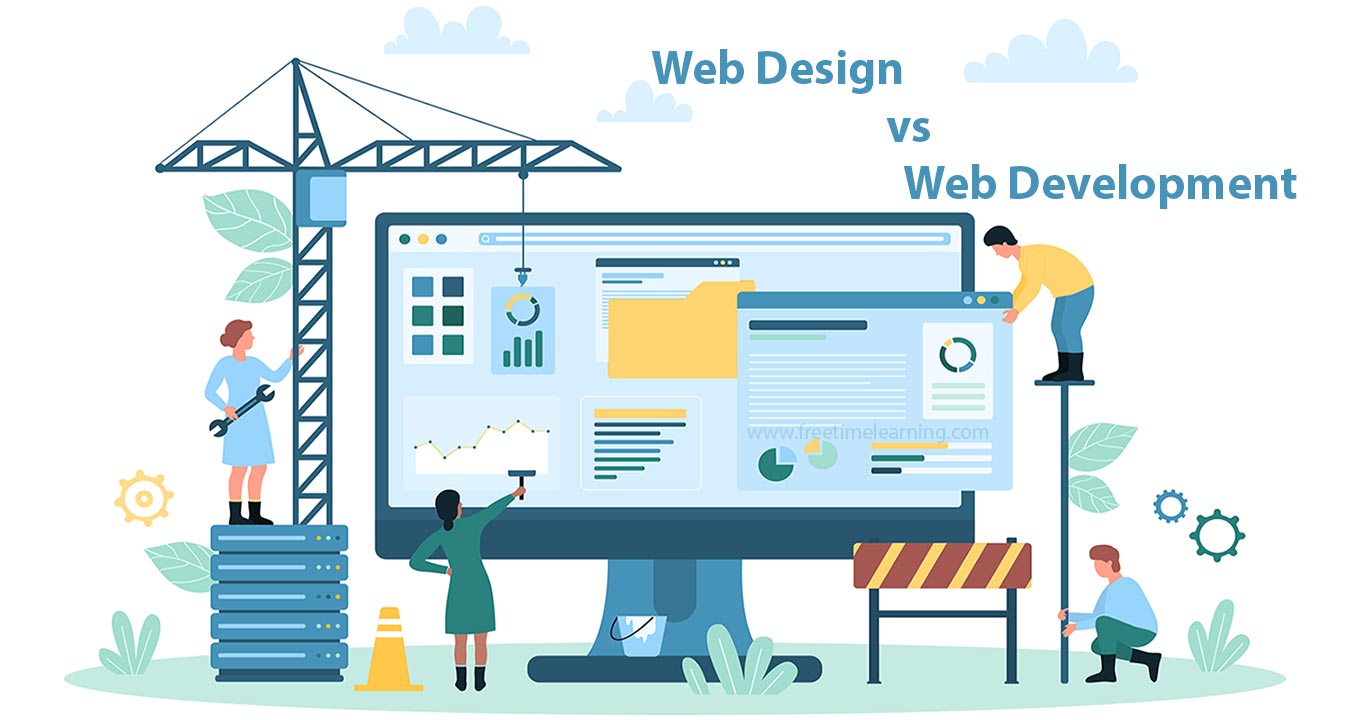
Web design and web development are two distinct yet interconnected disciplines crucial for creating and maintaining a functional and appealing website.

Web Design vs Web development: Key Differences
Web design and web development are two distinct yet interconnected disciplines crucial for creating and maintaining a functional and appealing website. While they often collaborate closely, their focus, skills, and responsibilities differ significantly. Here's a breakdown of the key differences:

Web Design :


* Focus : Primarily concerned with the visual aesthetics, layout, user experience (UX), and user interface (UI) of a website. It's about how the website looks and feels to the user.


*
Responsibilities :

* Visual Design: Creating the overall look and feel, including color schemes, typography, imagery, and branding elements.

* Layout and Structure: Determining the arrangement of content and navigation on each page.

* User Experience (UX): Planning and designing the user's journey through the website to ensure ease of navigation, accessibility, and satisfaction. This involves user research, wireframing, and prototyping.

* User Interface (UI): Designing the interactive elements that users engage with, such as buttons, forms, icons, and menus, ensuring they are intuitive and visually consistent.

* Creating Mockups and Prototypes: Developing visual representations of the website's design for client approval and developer reference.

* Ensuring Responsiveness: Designing websites that adapt seamlessly to different screen sizes and devices (desktops, tablets, mobiles).

* Understanding Basic SEO Principles: Designing with search engine optimization in mind to improve visibility.


*
Skills & Tools :

* Visual Design Principles: Color theory, typography, layout, balance, contrast, hierarchy.

* Design Software: Adobe Photoshop, Illustrator, XD, Sketch, Figma.

* Wireframing and Prototyping Tools: Figma, Sketch, Adobe XD, InVision.

* Basic Understanding of HTML & CSS: To understand the feasibility of designs and communicate effectively with developers.

* User Experience (UX) Design Skills: User research, information architecture, usability testing.

* User Interface (UI) Design Skills: Interaction design, visual hierarchy, branding.

* Understanding of Responsive Design Principles.

* Knowledge of Web Accessibility Guidelines (WCAG).

Web Development :


* Focus : Primarily concerned with the functionality, performance, and technical implementation of a website. It's about making the designer's vision work.


* Responsibilities :

* Front-End Development: Translating the visual designs into functional code that users interact with directly in their web browsers.

* Back-End Development: Building and maintaining the server-side logic, databases, and infrastructure that power the website's features and functionality.

* Full-Stack Development: Encompassing both front-end and back-end responsibilities.

* Coding and Programming: Writing clean, efficient, and well-documented code using various programming languages.

* Ensuring Website Functionality: Implementing features like user authentication, e-commerce systems, content management systems (CMS), and dynamic content.

* Database Management: Designing, implementing, and maintaining databases to store and retrieve website data.

* Server Management and Deployment: Configuring and managing web servers and deploying websites.

* Testing and Debugging: Identifying and fixing errors and ensuring the website functions correctly across different browsers and devices.

* Performance Optimization: Improving website speed, scalability, and security.

* Collaboration with Designers: Working closely with web designers to understand their designs and provide technical feasibility feedback.


* Skills & Tools :

* Front-End Languages: HTML, CSS, JavaScript.

* Front-End Frameworks and Libraries: React, Angular, Vue.js, jQuery.

* Back-End Languages: Python, Java, PHP, Ruby, Node.js.

* Back-End Frameworks: Django, Spring, Laravel, Express.js.

* Databases: SQL (e.g., MySQL, PostgreSQL), NoSQL (e.g., MongoDB).

* Version Control: Git, GitHub, GitLab.

* Web Servers: Apache, Nginx.

* Operating Systems: Linux, Windows Server.

* Testing and Debugging Tools.

* Understanding of APIs and Integrations.

* Knowledge of Security Best Practices.

Key Differences Summarized :
Feature Web Design Web Development
Primary Focus Aesthetics, User Experience, User Interface Functionality, Performance, Technical Implementation
Main Output

Note : This article is only for students, for the purpose of enhancing their knowledge. This article is collected from several websites, the copyrights of this article also belong to those websites like : Newscientist, Techgig, simplilearn, scitechdaily, TechCrunch, TheVerge etc,.